June 7, 2026
What Every Homeowner Needs to Know about Water Softeners
If you live in Calvert, St. Mary's, or Charles County, chances are your water is working against your home — and your wallet.
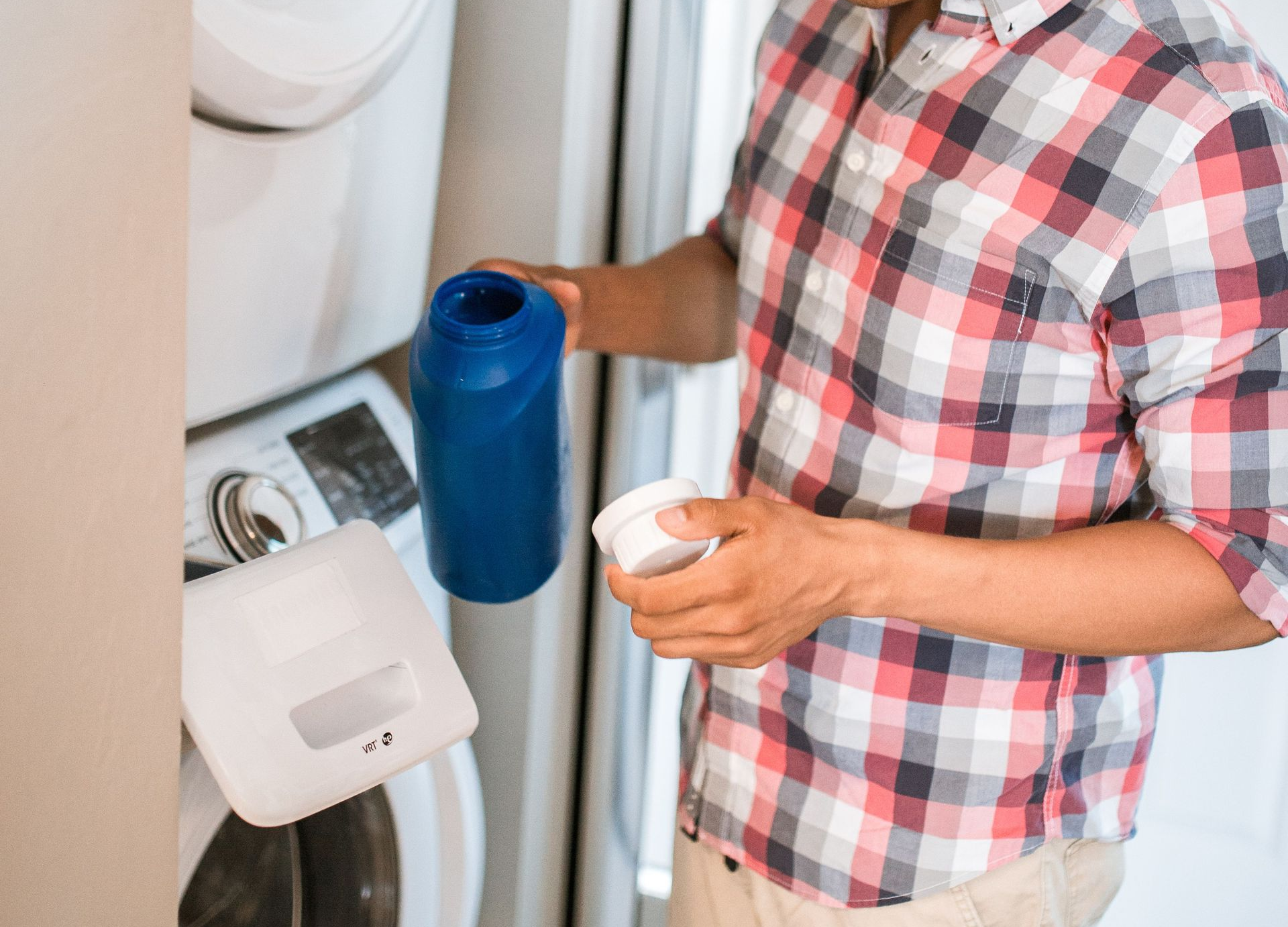
Walk through almost any home in Southern Maryland and you'll spot the signs: the chalky white ring around the faucet, the spots that won't come off the glassware no matter how many times you run the dishwasher, the showerhead that's slowly choking itself with buildup. This is the daily reality of living with hard water — and it's one of the most common (and fixable) problems homeowners in this region face.
At SJ Johnson, we've been helping families in Calvert County, St. Mary's County, Charles County, and the surrounding communities solve their water problems for decades. This guide covers everything you need to know: what hard water is, why Southern Maryland has so much of it, what it's costing you, and how a water softener can change things for the better.
Why Is the Water So Hard in Southern Maryland?
Southern Maryland's water comes primarily from groundwater drawn through local aquifer systems — including the Piney Point-Nanjemoy, Aquia, and Patapsco aquifers that underlie Calvert, Charles, and St. Mary's counties. As rainwater filters down through the region's sedimentary geology, it picks up dissolved minerals — particularly calcium and magnesium — along the way.
The result? Water that's technically safe to drink, but chemically aggressive toward your plumbing, appliances, skin, and laundry. Residents across Charles, St. Mary's, and Calvert counties commonly experience water hardness in the "hard" to "very hard" range — typically 7 GPG (grains per gallon) or above, well past the threshold where problems start.
Water Hardness Scale (GPG):
0–1 GPG = Soft | 1–3.5 = Slightly hard | 3.5–7 = Hard | 7–10 = Very hard | 10+ = Extremely hard
Many Southern Maryland well-water homes test above 7 GPG. The only way to know your exact hardness level is to
test your water — which SJ Johnson does for free.
Signs You Have Hard Water in Your Home
You don't need a water test to suspect hard water. These are the telltale symptoms Southern Maryland homeowners report most often:
-
Scale on Fixtures
White or yellowish mineral buildup around faucets, showerheads, and drains that keeps coming back.
-
Cloudy Dishes & Glasses
Spots, film, and cloudiness on glassware and dishes even after a full dishwasher cycle.
-
Soap Won't Lather
Hard water interferes with soap, requiring more product for the same cleaning result — in the shower, the sink, and the laundry.
-
Stiff or Dull Laundry
Clothes feel rough after washing, colors fade faster, and whites come out dingy due to mineral residue.
-
Dry Skin & Brittle Hair
Mineral-heavy water strips natural oils, leaving skin itchy and hair looking dull or feeling brittle.
-
Higher Energy Bills
Scale buildup inside water heaters acts as an insulating layer, forcing the unit to work harder and use more energy.
Don't ignore the long-term costs. Scale buildup shortens the lifespan of water heaters, dishwashers, washing machines, and coffee makers. Left untreated, hard water can cost Southern Maryland homeowners hundreds — or thousands — of dollars in premature appliance replacements and plumbing repairs.
How Does a Water Softener Work?
A water softener removes hardness minerals through a well-established process called ion exchange. Here's what happens inside the system:
- Water enters the mineral tank. Hard water flows in from your main water supply and passes through a tank filled with thousands of tiny resin beads.
- Ion exchange removes the minerals. The negatively charged resin beads attract and hold the positively charged calcium and magnesium ions, releasing sodium ions in their place. The water leaving the tank is now "soft."
- Soft water travels through your home. Every tap, shower, appliance, and pipe now receives treated water — no scale, no residue.
- The resin regenerates automatically. When the resin beads become saturated with minerals, the softener automatically runs a backwash cycle using a saltwater brine solution. The minerals flush out, and the resin is ready to start again.
The result is cleaner water throughout your entire home — not just at one tap, but everywhere.
Which Type of Water Softener Is Right for Your Southern Maryland Home?
Not every home has the same water profile, and not every softener is built the same. SJ Johnson helps you find the right fit based on your water test results, household size, and plumbing setup.
| System Type | Best For | Removes Hardness |
Adds Salt to Water |
Low Maintenance |
|---|---|---|---|---|
| Salt-Based Ion Exchange |
Most Southern MD well-water homes | Yes | Trace amounts | Yes |
| Salt-Free (Conditioner) |
Mildly hard water, low sodium diet concerns | Conditions minerals | None | Yes |
| Dual-Tank Softener |
Large households with high daily usage | Yes | Trace amounts | Yes |
| Whole-Home Combination |
Homes with iron, sulfur, or sediment in addition to hardness | Yes | Trace amounts | Varies |
Well-water homes in Southern Maryland often deal with multiple water quality issues at once — hardness plus iron staining, sulfur odor, or sediment. In those cases, a combination system or a softener paired with a whole-home filter gives the most comprehensive solution.
Benefits of Installing a Water Softener in Southern Maryland
Protect Your Plumbing and Appliances
Scale buildup doesn't just look bad on your fixtures — it accumulates inside pipes, water heaters, and appliances where you can't see it. Soft water keeps mineral deposits from restricting flow and insulating heating elements, helping your appliances last longer and run more efficiently.
Save Money on Soap, Detergent, and Energy
Hard water forces soap to compete with minerals before it can lather. Softened water makes cleaning dramatically easier — you'll use noticeably less shampoo, hand soap, dish soap, and laundry detergent. Your water heater will also run more efficiently without scale insulation on the heating elements.
Better Skin, Better Hair
Many Southern Maryland families who switch to soft water notice an immediate difference in how their skin and hair feel after showering. Without minerals stripping away natural oils, skin stays hydrated and hair regains its natural softness and shine.
Cleaner Dishes, Brighter Laundry
Say goodbye to spotted glasses and stiff towels. Soft water allows detergents to work as designed — leaving dishes spot-free and laundry cleaner, softer, and longer-lasting.
Peace of Mind for Well-Water Households
If your Southern Maryland home is on a private well, you have full control over your water quality — and full responsibility for it. A water softener is one of the most important investments you can make to protect both your family and your home's plumbing infrastructure.
Frequently Asked Questions About Water Softeners in Southern Maryland
Do I need a water softener in Southern Maryland?
Most likely yes. Residents in Calvert, St. Mary's, and Charles counties commonly experience hard to very hard water due to the region's geology. If you're seeing scale on fixtures, spots on dishes, or your soap isn't lathering well, a water softener is almost certainly the solution. The only way to know for sure is to test your water — SJ Johnson provides free water testing.
How hard is the water in Southern Maryland?
Water hardness in Southern Maryland commonly falls in the "hard" to "very hard" range (7+ grains per gallon). This is largely due to groundwater drawn from the region's aquifers, which pick up calcium and magnesium as they filter through sedimentary rock layers. Hardness levels can vary significantly from one property to the next, especially between well-water and municipal water sources.
What is the difference between a water softener and a water filter?
A water softener removes calcium and magnesium (the minerals that cause hardness) through ion exchange. A water filter removes particles, chlorine, sediment, or chemical contaminants — but does not soften the water. Many Southern Maryland homeowners benefit from using both systems together for comprehensive water treatment.
How does a water softener affect sodium levels in my water?
Salt-based softeners do introduce a small amount of sodium into the treated water. For most people, this is not a health concern — the amount is typically much less than a single slice of bread. If you're on a sodium-restricted diet, you can use potassium chloride instead of sodium chloride in the brine tank, or pair the softener with a reverse osmosis system for your drinking water. SJ Johnson can walk you through the options.
How much does a water softener cost in Southern Maryland?
Costs vary by system type, brand, and home size. Basic systems start around $800–$1,200 installed. High-performance or whole-home combination systems range from $1,500–$3,500 or more. The long-term savings on appliances, soap, energy, and plumbing repairs typically offset the cost within a few years. SJ Johnson provides a customized quote after your free water test.
How much maintenance does a water softener require?
Salt-based systems require periodic salt refills (typically every 6–8 weeks depending on usage and hardness levels). Beyond that, annual maintenance checks keep the system running at peak efficiency. SJ Johnson offers ongoing service plans for customers throughout Southern Maryland.
Which areas of Southern Maryland does SJ Johnson serve?
SJ Johnson serves Calvert County, St. Mary's County, Charles County, Prince George's County, Anne Arundel County, and surrounding areas throughout Maryland. If you're unsure whether we serve your address, give us a call.
Serving Homeowners Across Southern Maryland
SJ Johnson provides water softener installation, service, and water testing throughout Southern Maryland, including:
- Calvert County
- St. Mary's County
- Charles County
- Prince George's County
- Anne Arundel County
- Prince Frederick
- La Plata
- Leonardtown
- Waldorf
- Dunkirk
- Lusby
- California, MD
Whether you're on a private well or a municipal water system, our team conducts a free on-site water analysis to pinpoint your water quality issues and recommend the right solution — no guesswork, no one-size-fits-all packages.
Read about Water Softener Maintenance Plans
Read Why Most Homes In Calvert County Need a Water Softener
Ready to Fix Your Hard Water? Start With a Free Test.
Our team will test your water, explain exactly what's in it, and recommend the right solution for your home — with no pressure and no hidden fees.